
The minimum order is two products, shipping costs €8.00 throughout Italy, for orders over €100.00 shipping is free.
Want to purchase with a VAT number and require an invoice? Contact us by email or using the form in the “Contacts” section.

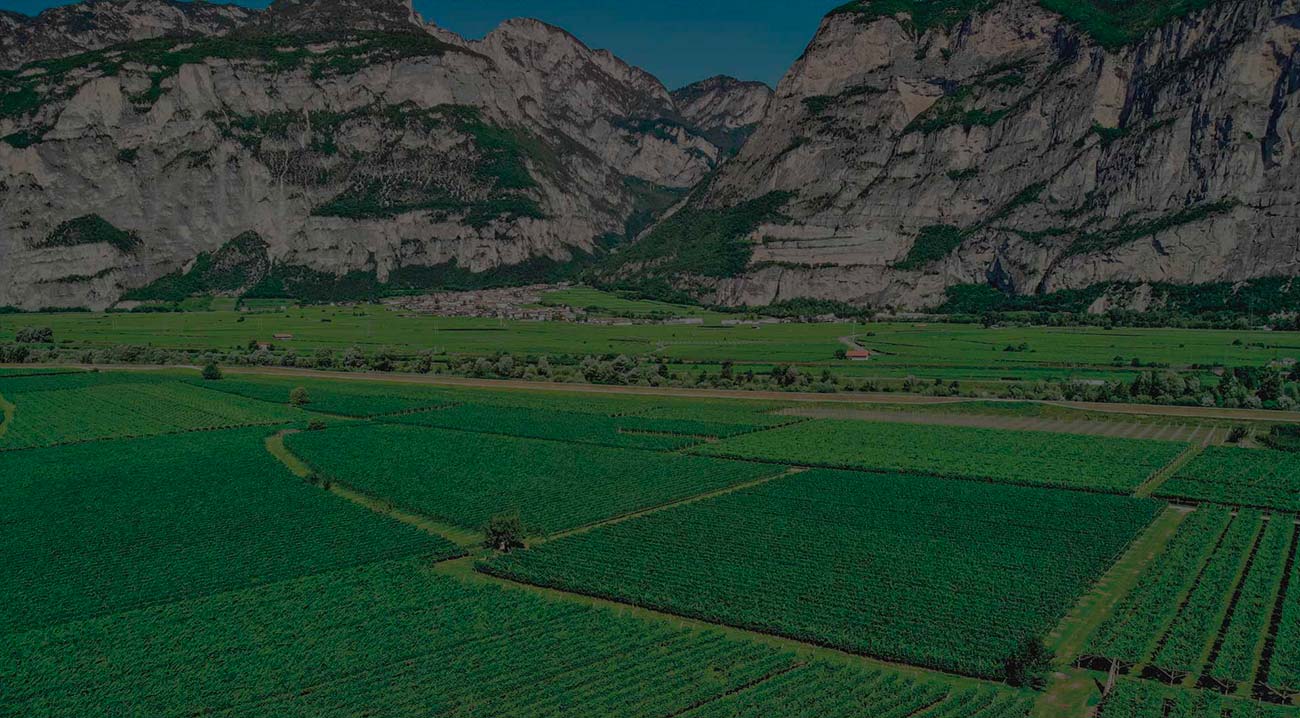
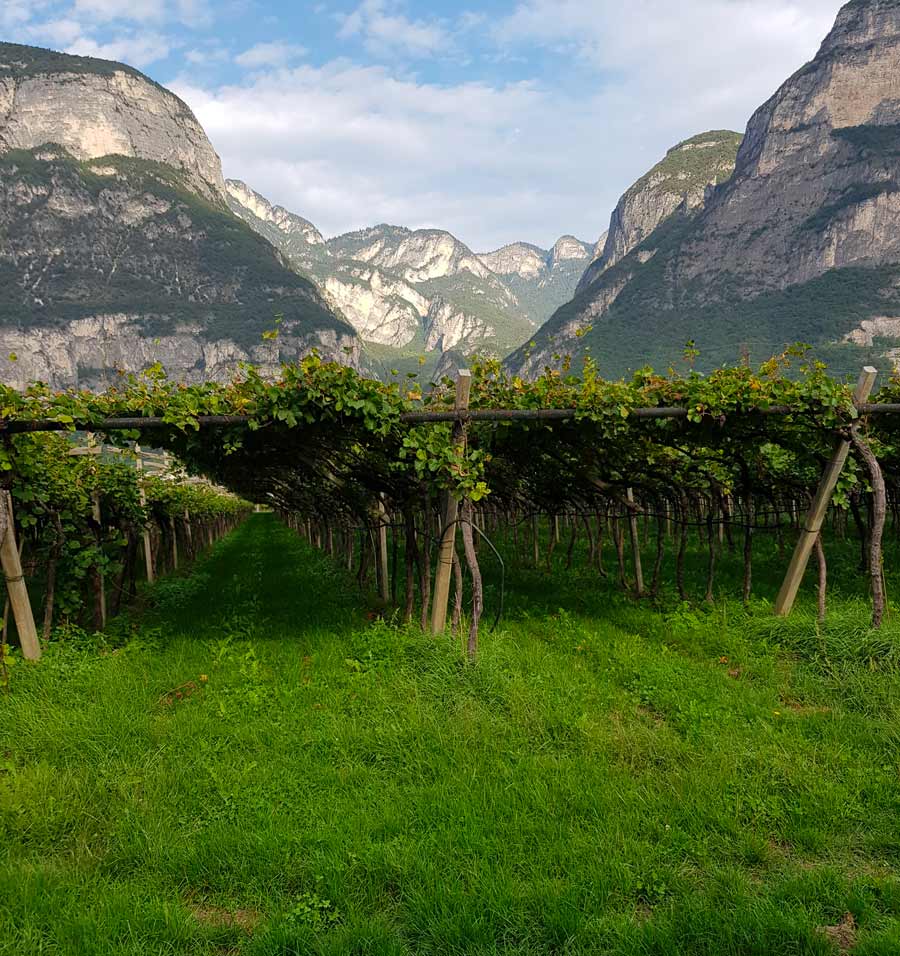
Cantina Zehnhof stands on the vineyard-covered hill of Roverè della Luna, in the Chiusa di Salorno, a truly unique territory: a niche embraced by imposing mountains that shield it from icy winter winds, while the Adige River flows through, providing energy and nourishment to the vegetation.
The landscape unfolds into meticulously arranged vineyards trained using the simple or double Trentino pergola system—a traditional growing method that allows the grape bunches to fully absorb the beneficial effects of sunlight and warmth.
The region lies at the crossroads of the Alpine and Prealpine climates, where winters are not excessively humid, and summers remain pleasantly mild. These conditions create the perfect environment for grape maturation, with significant temperature variations between day and night and the frequent local winds that help prevent mold formation.
The calcareous composition and loamy-silty texture of the soil compel vine roots to delve deep in search of nutrients, imparting distinct mineral notes and remarkable freshness to the wines.
Cantina Zehnhof stands on the vineyard-covered hill of Roverè della Luna, in the Chiusa di Salorno, a truly unique territory: a niche embraced by imposing mountains that shield it from icy winter winds, while the Adige River flows through, providing energy and nourishment to the vegetation.
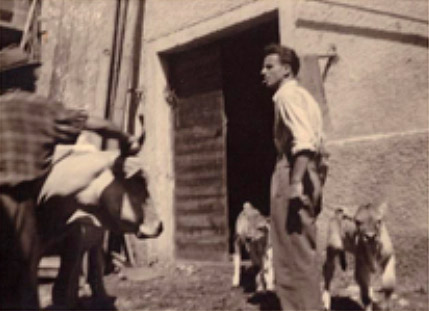
The first records of viticulture in the area date back to the pre-Christian era, as evidenced by the 1859 discovery of a capital dedicated to Saturn, the Roman god of abundance and harvests. Roverè della Luna and its vineyards are also referenced in a 1327 deed by Henry II, King of Bohemia and advocate of the bishop, granting wooded lands to Tyrolean nobles for vineyard cultivation on Aichholz Hill, which was later renamed Roverè della Luna.
Additionally, in the 17th century, the itinerant painter and writer Max Sittich von Wolkenstein described Aichholzer Lagrein as a grape variety with large berries, producing an exceptional red wine.
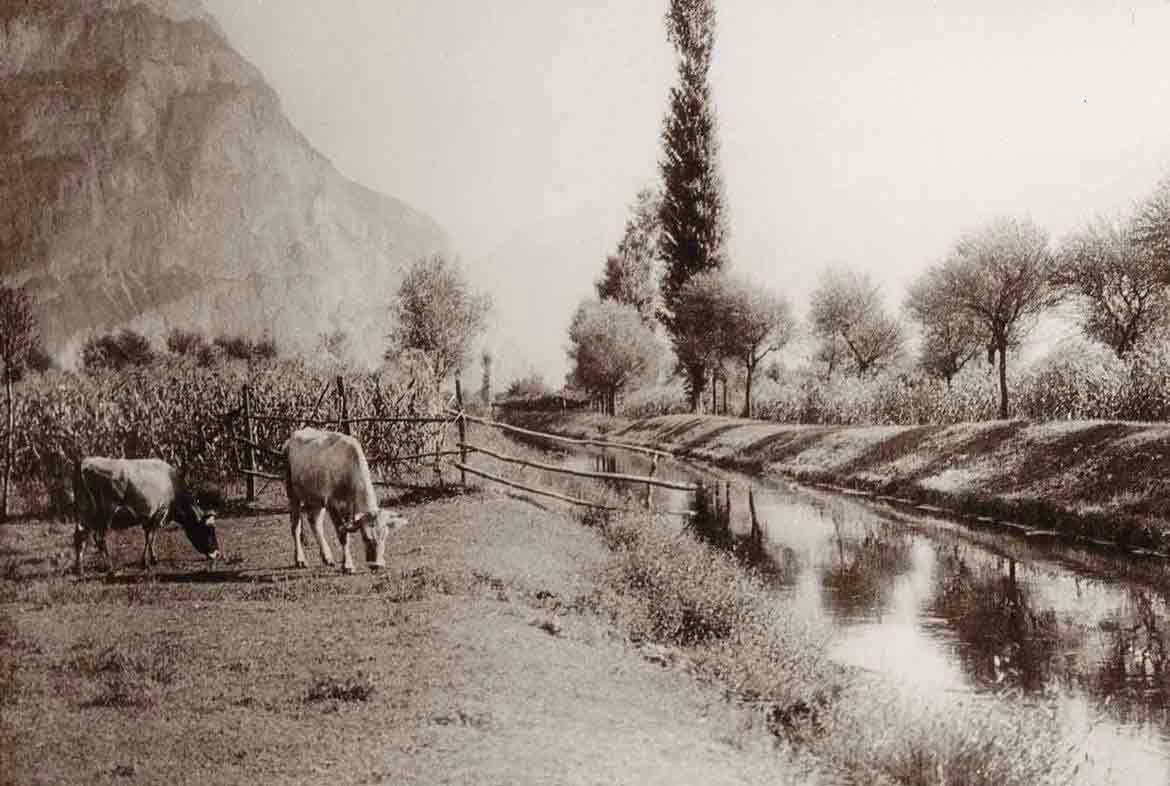
The first records of viticulture in the area date back to the pre-Christian era, as evidenced by the 1859 discovery of a capital dedicated to Saturn, the Roman god of abundance and harvests. Roverè della Luna and its vineyards are also referenced in a 1327 deed by Henry II, King of Bohemia and advocate of the bishop, granting wooded lands to Tyrolean nobles for vineyard cultivation on Aichholz Hill, which was later renamed Roverè della Luna.
Additionally, in the 17th century, the itinerant painter and writer Max Sittich von Wolkenstein described Aichholzer Lagrein as a grape variety with large berries, producing an exceptional red wine.
